Top 10 Hiking Tips for Day Hikes
Hiking is literally one of my favourite things to do! Right up there with travelling and drinking coffee. But hiking also has so many great health benefits, from being active to easing our stress, and so much more. And I encourage everyone to try to get out hiking, even if it’s for a short day hike. So, I’ve put together my top 10 hiking tips for day hikes. Even if you’re only going out for day hikes it’s important to be prepared and stay safe so you can have an awesome hiking trip!

1. Plan Ahead
So often we decide to head out on a hike on a whim. But it’s important to plan ahead a least a bit, even if it’s only an hour it will make a difference. In terms of planning ahead, you should know what trail you are hiking. Look at it on a map – whether it’s Google Maps on your cell phone, a trail map, or another online source, so you know what to expect. You should be aware if there is hunting in the area, bodies of water, wildlife to look out for, any other hazards, as well as how difficult the trail is.
Planning ahead also involves making sure you have all your hiking gear, supplies, and proper attire including footwear. Make sure you have a solid pair of hiking shoes. If you aren’t sure if you have everything you need, here’s my list of hiking essentials to pack for a day hike. Be sure to also determine the length of the trail. Is it long? If so, you’ll need more supplies. Is it a loop trail or will you need to retrace your steps? Knowing as much as you can and being prepared will help lead you to a more enjoyable and safe hike.
Related Post: Top Hiking Trails Across the Globe
2. Check the Weather
You may have planned for an incredible hike but get there and it’s raining, or worse, there’s a storm. Knowing the weather is vital to safety and ensuring a great hike versus an unbearable one. Especially so, if you’re driving a distance to get to your hiking location. Before you head out check the local weather forecast for the location you will be hiking. Will it be raining? Maybe excessively hot with a high UV index (meaning you’ll burn faster). Knowing the weather will help you prepare better. Perhaps you’ll need to pack a rain jacket, extra water, or other specific gear.

3. Learn to Read Trail Blazes
On many trails, there are a set of painted blazes marking the path. These blazes help steer you in the right direction. Most often they’re on trees to the right of the trail, but sometimes they are on steps or large rocks on the footpath. Three blazes in a triangle refer to the start (or head) of the trail. One single blaze means to continue straight. Two blazes with the left blaze lower means turn right. While two blazes with the right blaze lower means turn left. (See photo above.)
4. Protect Yourself from Bugs
Spring and summer is prime season for bugs like mosquitoes, black flies, and ticks. Be sure to protect yourself from these pesky bugs during your hike.
How to stay protected?
There are a few different ways you can protect yourself from bugs while hiking. Wear light coloured clothing with long sleeves and full-length pants. I also pull my socks up over my pants for an extra layer of protection on trails with dense overgrowth. And I wear white socks so I can better see things like ticks.
I also suggest a bug spray and lotion. Lotions are great for getting full coverage on legs, arms, and on your face where you might not want bug spray. I use OFF Botanicals Insect Repent Lotion with Eucalyptus – which I love!
Mark’s also has a great line of mosquito and tick repellant clothing for men and women. And don’t forget to check your legs when you leave the trail for ticks, as some of them can cause Lyme disease. Another great thing to pack is a tick remover for just such an occasion.
To learn more about ticks and how you can prevent tick bites while hiking check out Parks Canada’s website here.
5. Protect Yourself from the Sun
While many of us just want to soak up the sun after a long winter it’s important to also protect yourself from the harmful UV rays.
How to stay protected?
You should be wearing lightweight long sleeve shirts and long pants while hiking. But if you have any skin exposed be sure to wear, at least, an SPF 30 sunscreen, and reapply every few hours. Also, remember to wear a hat and sunglasses to protect your head and eyes.
Heat exposure is real! To avoid the heat of the day, from noon to three o’clock in the afternoon, try hiking in the early morning or later in the day when it’s excessively hot. Also, be sure to take breaks and try and stick to shaded trails.
6. Stay Hydrated
It’s always important to stay hydrated, but especially so if you are performing an activity outside in the sun and heat. Be sure to bring plenty of water and continue to stay hydrated during your hike. More likely out in the woods there will be no place to grab more water and fluids. Be sure to bring more water for longer hikes and higher temperatures. I also try and bring extra water bottles and store them in my car for when I return from the trail and need more water.
Don’t forget to also stay hydrated in the winter too! You may not notice it as much, but it’s just as important to keep drinking water during winter or cool weather hikes.
Remember – though it may be heavy at first in your daypack, as you continue to drink the weight will decrease. If you want to reduce the weight of a water bottle and bring more try a water bladder!
7. Keep Your Energy Up
Hiking is a very athletic activity and so, it’s important to keep your energy level up. You can do this by ensuring you eat a well-balanced meal before you go out and also by bringing along snacks that will help boost your energy. Some great snacks to bring on a hike include; protein bars, or other nutritious bars, nuts, trail mix, and dried fruit. And don’t forget, the longer the trail means extra food.
Did you know? A person weighing 130 pounds burns between 160 to 180 calories per hour of hiking!
8. Wear Proper Footwear
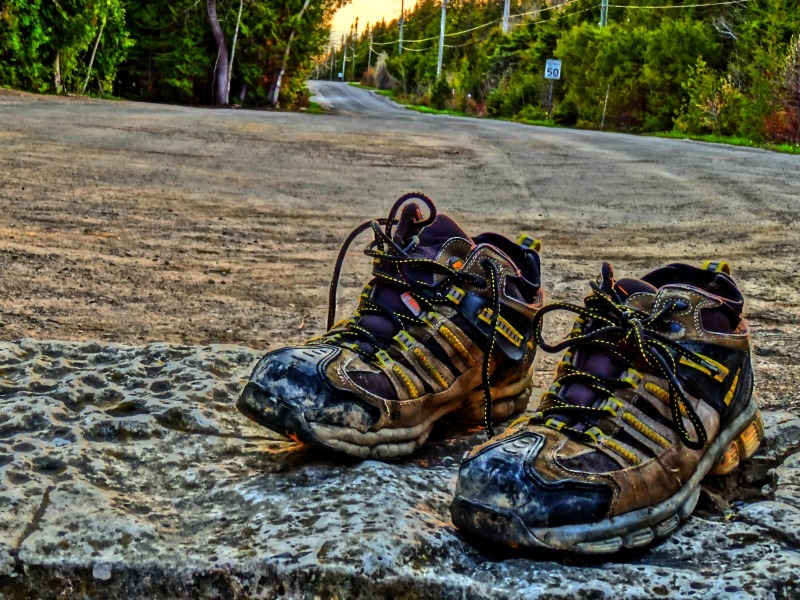
If you are going for a walk or run then running shoes and other sneakers are fine. But for serious trails, you will need a pair of hiking boots or shoes.
If you hike often then consider investing in a high-quality pair – you’ll thank yourself later. My favourite is the Keens brand of hikers! Hiking boots and shoes are made for hiking along uneven ground, climbing rocks, and are built to help protect your feet, ankles, and more.
Note on fit: Hiking boots and shoes should fit well. Not too big or small and may take time to get accustomed to as they are meant to hug your feet and ankles for full support.
Related Post: Eco-Friendly Shoes for Travel
9. Hiking Apps
Back before we all had smartphones hikers would use actual maps, a compass, and other tools to help them plan a hike, orient themselves, and more. But now we can access all that through our mobile devices through a variety of apps. And while there are endless hiking apps out there to choose from, I’ve got a few must-have apps for hiking you should download now.
There are a few obvious essential hiking apps like Google Maps, the compass app, and a weather app that are usually already on your phone. But another great one is AllTrails. It will help you find trails near you, navigate trails, and track your hike. For those hiking in Ontario, be sure to purchase the Bruce Trail App. It will help you navigate the entire trail, its side trails, and your purchase of it goes to help the Bruce Trail Conservancy. These apps are great for those who are directionally challenged and full of tips like where to park.
One app that could save your life on the trails is What3Words. For every three square metres around the globe there is a combination of three words that identify that location. And by using the app to find out your location’s three words you can notify police or ambulance if you are lost or injured. One thing to note is that it does need cell service to work.
10. Stay on the Trail
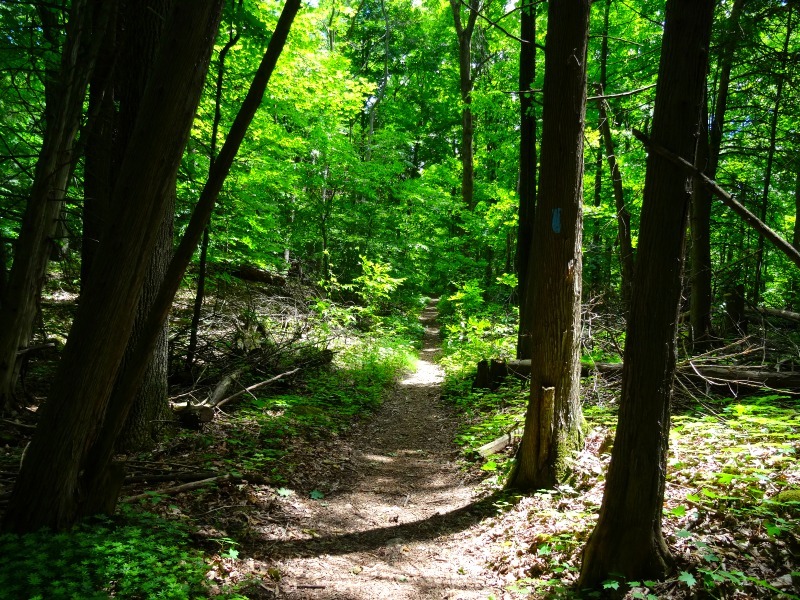
There are many reasons to stay on the trail. Staying on the trail helps protect you from hazards like crevices, cliffs, and other dangers. And staying on the trail also helps you from getting lost. But another main reason to stay on the trail that you may not realize is to protect the environment. Our forests and wild spaces are full of fragile wildflowers, ferns, and other important plants. For instance, delicate and endangered orchids are found on Flowerpot Island and in Bruce Peninsula National Park in Tobermory, Ontario and it’s important to stay on the trail so you don’t tread on them and kill them.
Related Post: Protect Nature and Reduce Your Footprint

5 BONUS Tips for Hiking
The more you hike the more you know! So, I couldn’t resist updating this list to add a few more bonus tips for hiking that are wise whether you’re a beginner hiker or experienced hikers.
Take a Photo of the Trail Map
Most trails usually have a trail map at the trailhead. And a solid tip for any hiking trip is to make sure you take a photo of the trail map before you start hiking the trail. Especially if you don’t have a physical map of the trail and area. These trail maps usually have all the key information about the trail you’ll need, like elevation gain, trail lengths, specific trail attributes, and some even have the average time it will take for each trail.
Tell Someone
I always recommend telling someone about your hike whether you’re a beginner or an experienced hiker, even if you’re going with someone, and especially important for those who are hiking alone. Tell someone, whether it’s a friend or family member where you plan to hike, the approximate time you’ll be gone, and let them know when you’ve returned. It’s always to be safe than sorry!
Pack a First Aid Kit
One of my top hiking essentials is a first aid kit! It’s best to plan for an emergency than to be on the trails without any relief. You can purchase a small pre-made first aid kit from most retailers but you can also make your own. A few must-haves are; various size bandages, gaze, a safety pin, a small bit of duct tape, alcohol swabs, and some type of pain relievers like acetaminophen and ibuprofen. As someone who struggles with migraines, I always have something on hand.
Related Post: Tips for Traveling with Migraines
Know Your Strength
Most avid hikers know their own strengths and weaknesses. Some people can go all day hiking no matter the heat or conditions of the trail while others struggle if there are a lot of steep inclines or uneven terrain. So one of the most important hiking tips I have is knowing your own strength. Everyone’s fitness level is different. So, build up your strength and stamina before you try going on that 14 kilometre day hike.
Want to read about a hiking adventure that really showed me that knowing your own strength is important? Check out my hike from Eugenia Falls to Hoggs Falls!
Carry Back-Up Power
We all rely on our cell phones now more than ever, for trail apps, Google Maps, taking photos, and more. So, another of my day hiking tips is to bring a power bank with you. Power banks are small portable devices that can be charged to hold power and then be plugged into your cell phone or camera to help charge it on the go. I always carry one! And I think they are a must on the trails to help you stay powered up, connected, and safe.
Note: Make sure your portable charger is fully charged before you head out hiking. I always charge mine the night before.
Related Post: 15 Hiking Must Haves: Packing List for a Day Hike
If you’re hiking in the winter, check out my winter hiking tips!
Are you an avid hiker? What’s your top hiking tip?
Disclaimer: This post contains affiliate links. By clicking through and purchasing through these links I may make a small commission to help run this blog.
PIN IMAGE FOR LATER REFERENCE!